
Macedonians recognise the role of retention basins in adapting to climate change
.
.
At the invitation of their Macedonian colleagues from the Cyril and Methodius University of Skopje and the Macedonian Chamber of Engineers, the Water Institute took part in a conference on ‘WATER MANAGEMENT AND HYDRAULIC ENGINEERING CHALLENGES’, highlighting the added value of retention basins for the region and their role in the process of adapting to climate change.
.
.
At the end of October, the Water Institute accepted an invitation from the Faculty of Civil Engineering at the Cyril and Methodius University of Skopje and the North Macedonian Chamber of Engineers, and as part of the conference ‘WATER MANAGEMENT AND HYDRAULIC ENGINEERING CHALLENGES’, held at the Macedonian Chamber of Engineers, the Institute for Water delivered a presentation entitled ‘Dams – Added Value for the Region’.
The conference, attended by all the key stakeholders influencing water management in the Republic of Macedonia, was opened by Minister Trajan Dimkovski.
The Republic of North Macedonia is much poorer in water resources than Slovenia, where mountainous areas receive over 3,000 mm of rainfall annually. North Macedonia has a sub-Mediterranean climate, characterised by hot, dry summers and cold winters. Average annual rainfall in the higher regions ranges between 1,000 and 1,500 mm, whilst in the lower regions it averages around 600–700 mm.
Droughts and prolonged periods without rainfall are a constant feature in North Macedonia, affecting not only the economy and agriculture but also making it difficult to supply the population with drinking water. This explains the very high level of awareness of the need to use water sparingly and, above all, the urgent need for the sustainable use of water resources, which includes, amongst other things, water retention (with the aim of creating reserves for periods of drought) and the multi-purpose use of reservoirs.
For the time being, water remains the only natural resource that Slovenia has in ‘apparent’ abundance, but forecasts indicate that, due to climate change, the situation could change radically and, according to climatologists’ predictions, we may find ourselves in a similar situation to our Macedonian colleagues.
A presentation by expert collaborator Nina Humar highlighted the environmental compatibility of reservoirs. In Slovenia, only a quarter of the reservoirs created by the construction of dams are not located within a nature conservation area. The added value of reservoirs is growing year on year, particularly in the light of climate change. Dams and reservoirs often play a crucial role in creating favourable living conditions that enable the conservation of endangered species or habitat types, or their operation is a prerequisite for the conservation of these.
In addition to IzVRS, the consultation was attended by the Faculty of Civil Engineering in Belgrade (Serbia), the University of Architecture, Civil Engineering and Geodesy in Sofia (Bulgaria), Osmangazi University, Eskisehir (Turkey), the Slovak University of Technology in Bratislava and the Faculty of Civil Engineering and Geodesy at the University of Ljubljana.
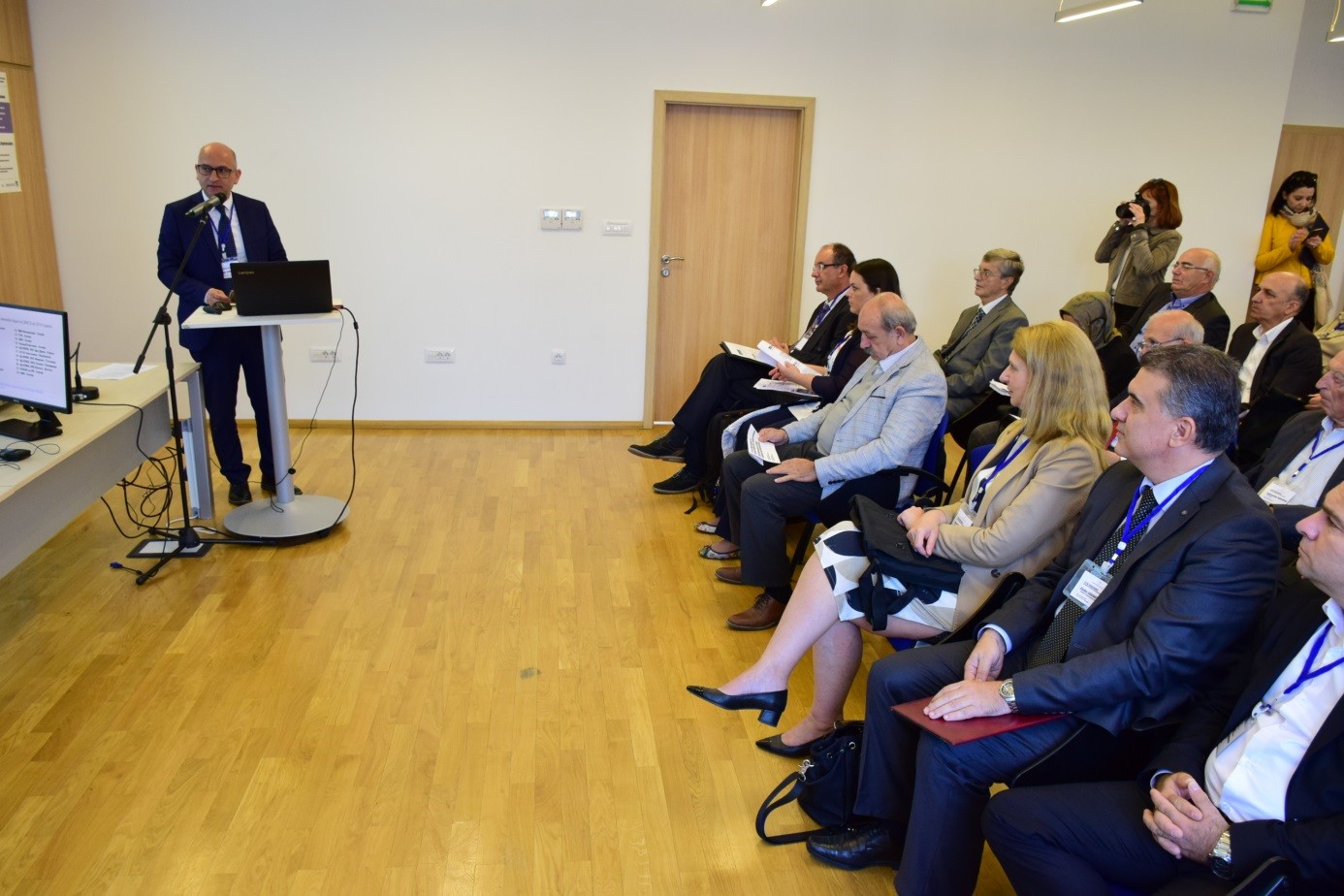
Fig. 1. Welcome address by the Minister for Agriculture and Water Management, Mr Trajan Dimkovski
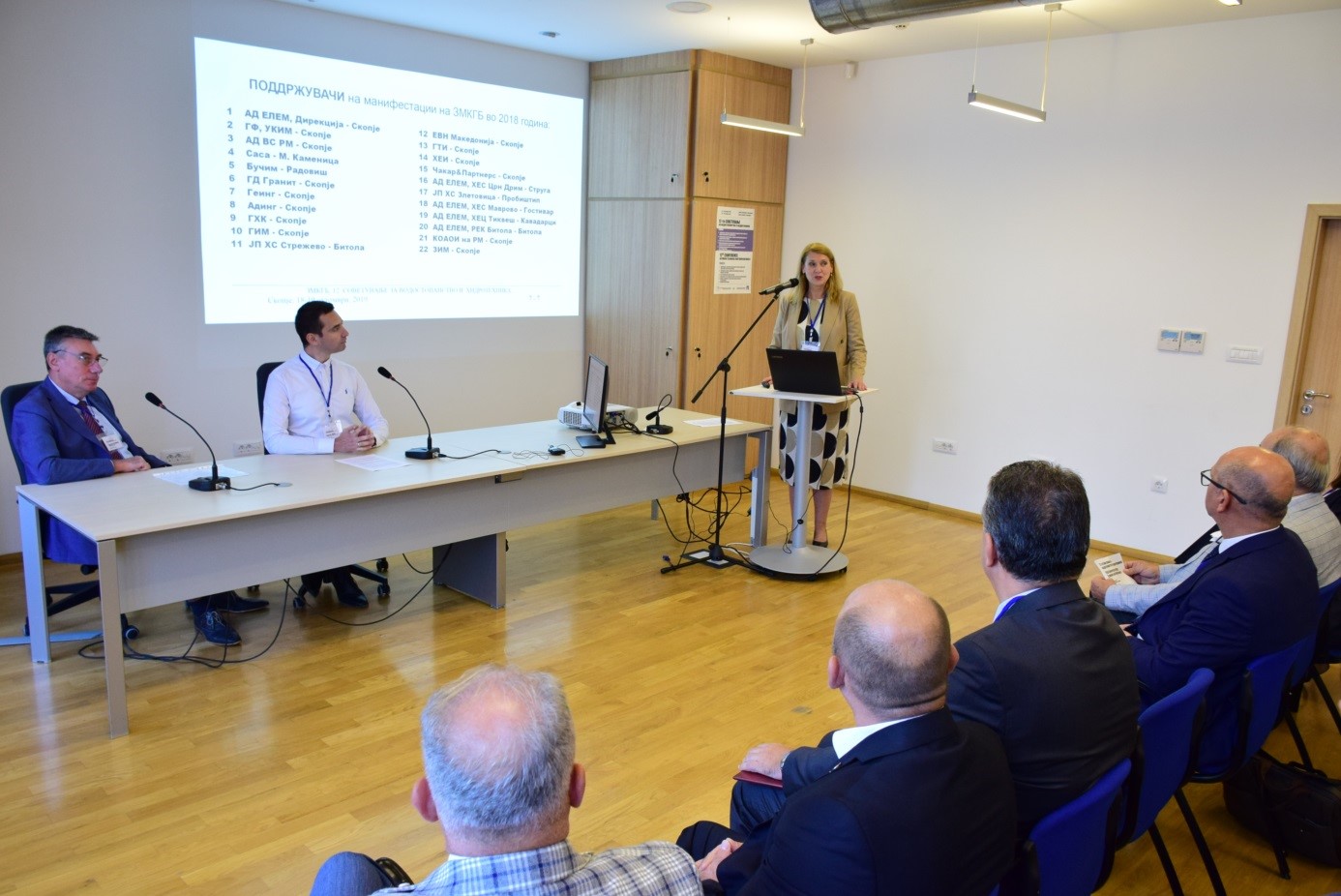
Fig. 2. Welcome address by Ana Petrovska, State Secretary for the Environment, Government of the Republic of North Macedonia
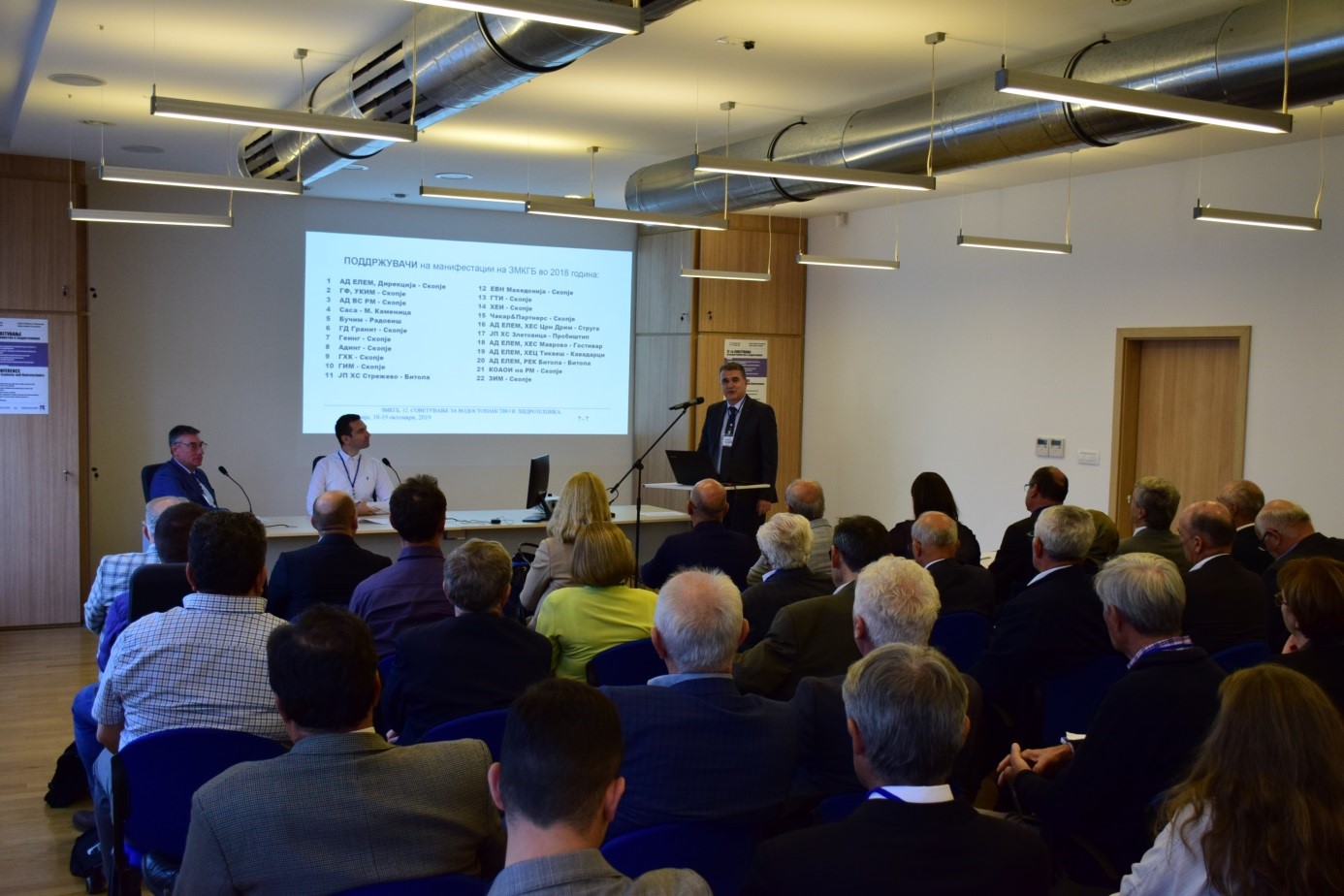
Fig. 3. Address by Prof. Zlatko Srbinoski, Dean of the Faculty of Civil Engineering, Skopje
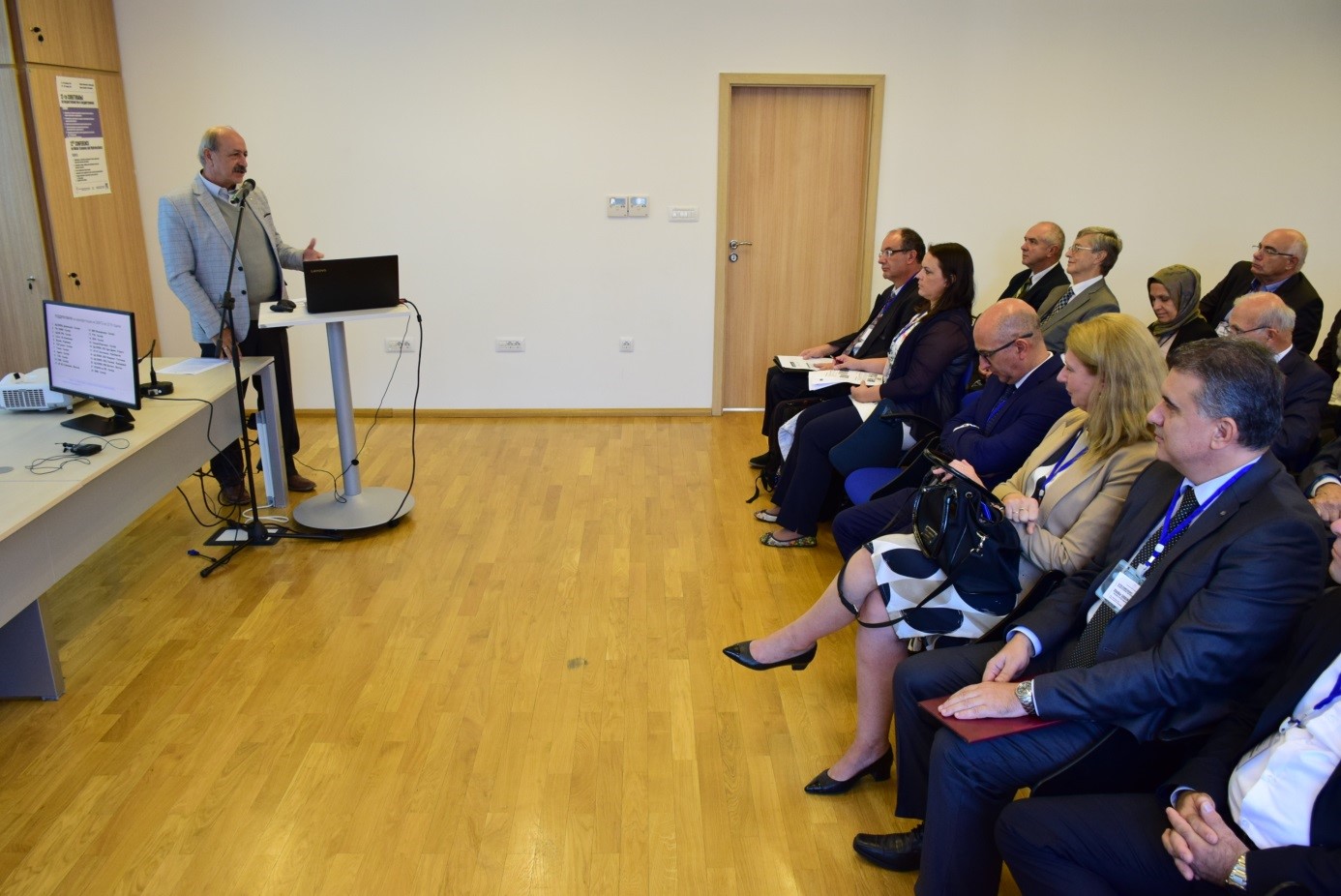
Fig. 4. Address by Prof. Milet Dimitrovski, President of the Chamber of Architects and Engineers of the Republic of North Macedonia
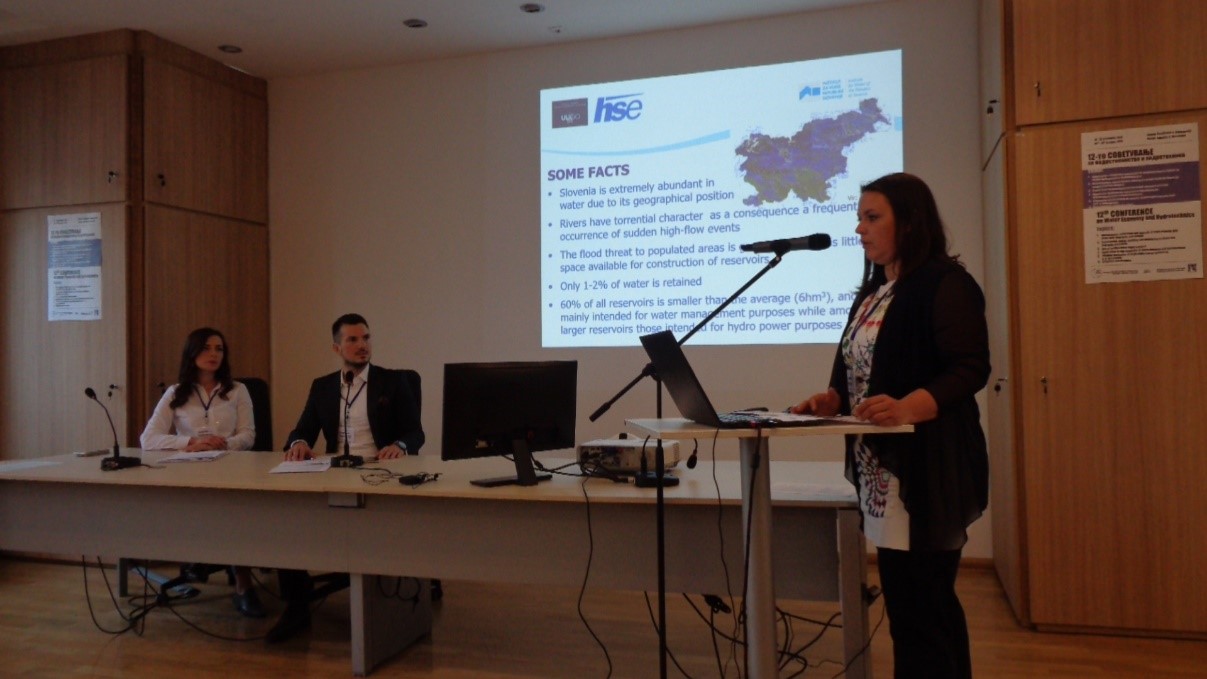
Fig. 5. The presentation by the Water Institute of the Republic of Slovenia attracted considerable interest
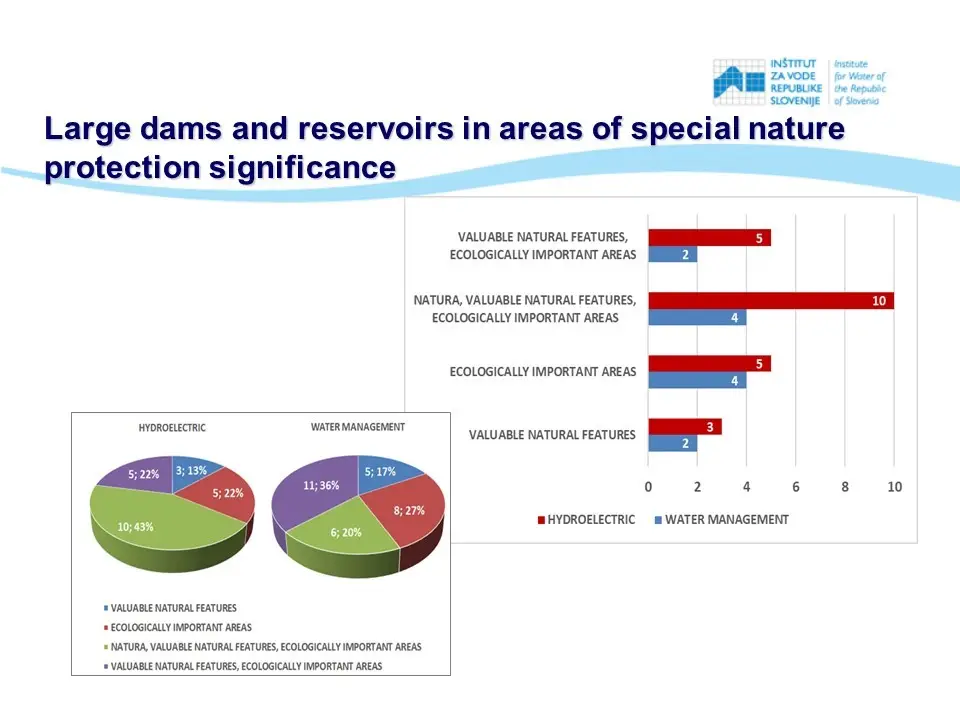
Fig. 6. Most large dams are located in nature conservation areas (NATURA 2000, Natural Heritage Sites, EPO, etc.); favourable conditions at most dams only arose after the reservoirs were constructed
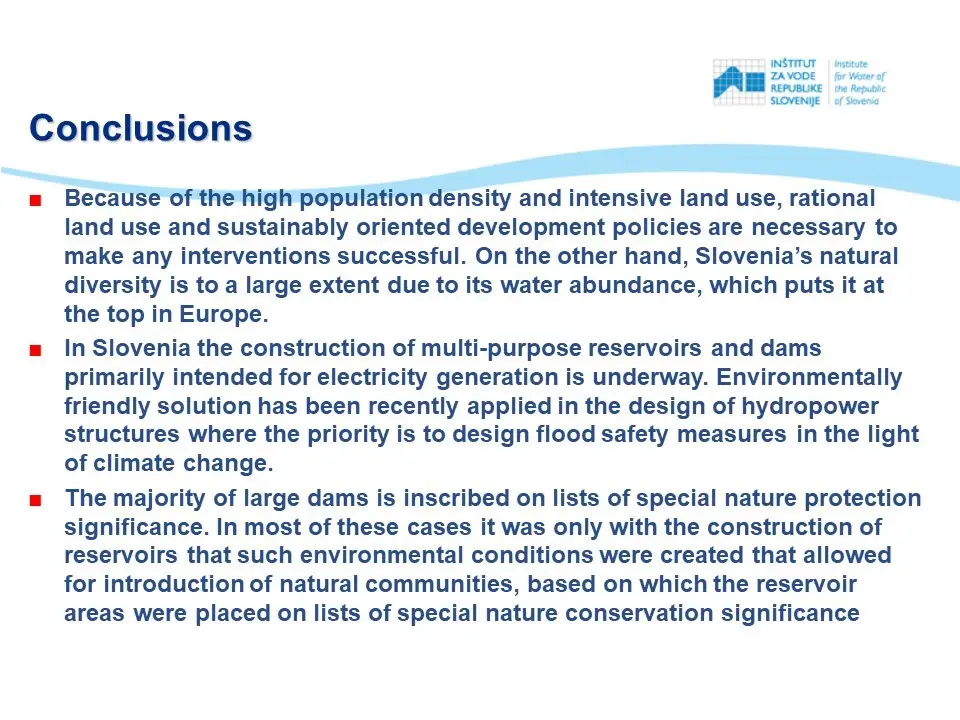
Fig. 7: The design of weirs and reservoirs can be adapted to make them more acceptable to the species living within the area of influence. But what will we be protecting when, due to hydrological extremes, there is no longer any water?