
Methodology for assessing the ecological potential of reservoirs based on phytoplankton and benthic invertebrates; determination of maximum ecological potential
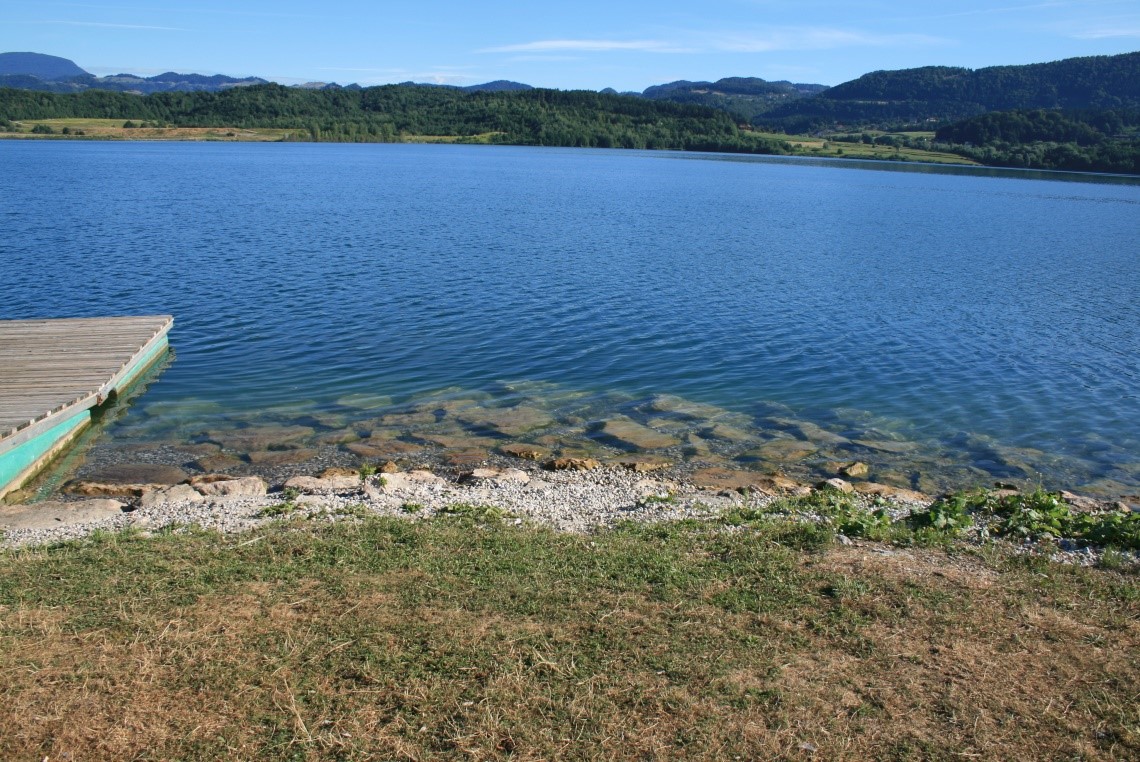
Water bodies whose characteristics have been significantly altered by physical changes caused by human activity are referred to as heavily modified and artificial water bodies. The ecological potential of heavily modified and artificial water bodies is assessed. All Member States of the European Union must assess ecological potential by taking into account the baseline characteristics resulting from natural features, water use (altered hydromorphological characteristics) and identified mitigation measures. Methodologies for assessing ecological potential must be suitable for evaluating the impact of various anthropogenic pressures on the basis of relevant biological elements. To develop a methodology for assessing the ecological potential of reservoirs (boundaries between potential classes) based on phytoplankton and benthic invertebrates, we must first determine the baseline conditions and the type-specific maximum ecological potential, which corresponds to ‘very good’ status in the assessment of ecological status. Crucial to determining the type-specific maximum ecological potential is the identification of baseline hydromorphological characteristics, which reflect water use in the context of the mitigation measures implemented and, consequently, also determine the baseline trophic conditions.
About the project
Client
Ministry of the Environment and Spatial Planning
Project leader
Assoc. Prof. Dr Gorazd Urbanič
Collaborators
Dr Rebeka Šiling
Miha Knehtl
Dr Vesna Petkovska
Project duration
2016
OTHER DOMESTIC REFERENCES
