
The Slovenian Water Institute will be involved in the development of a device for breaking down textile fibres from washing machines
The Slovenian Water Institute, in collaboration with the Jožef Stefan Institute, the Faculty of Biotechnology, Department of Biology, and Gorenje, as a co-funding partner, has successfully submitted a research project to the Slovenian Research Agency (ARRS) entitled ‘Degradation of textile microplastics from domestic wastewater’.
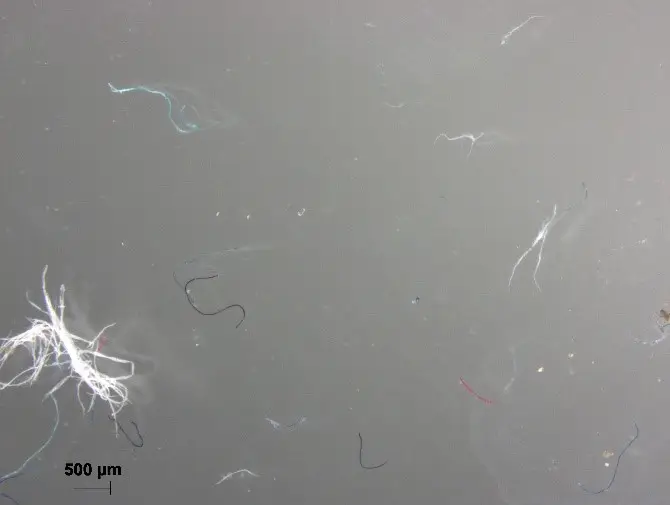
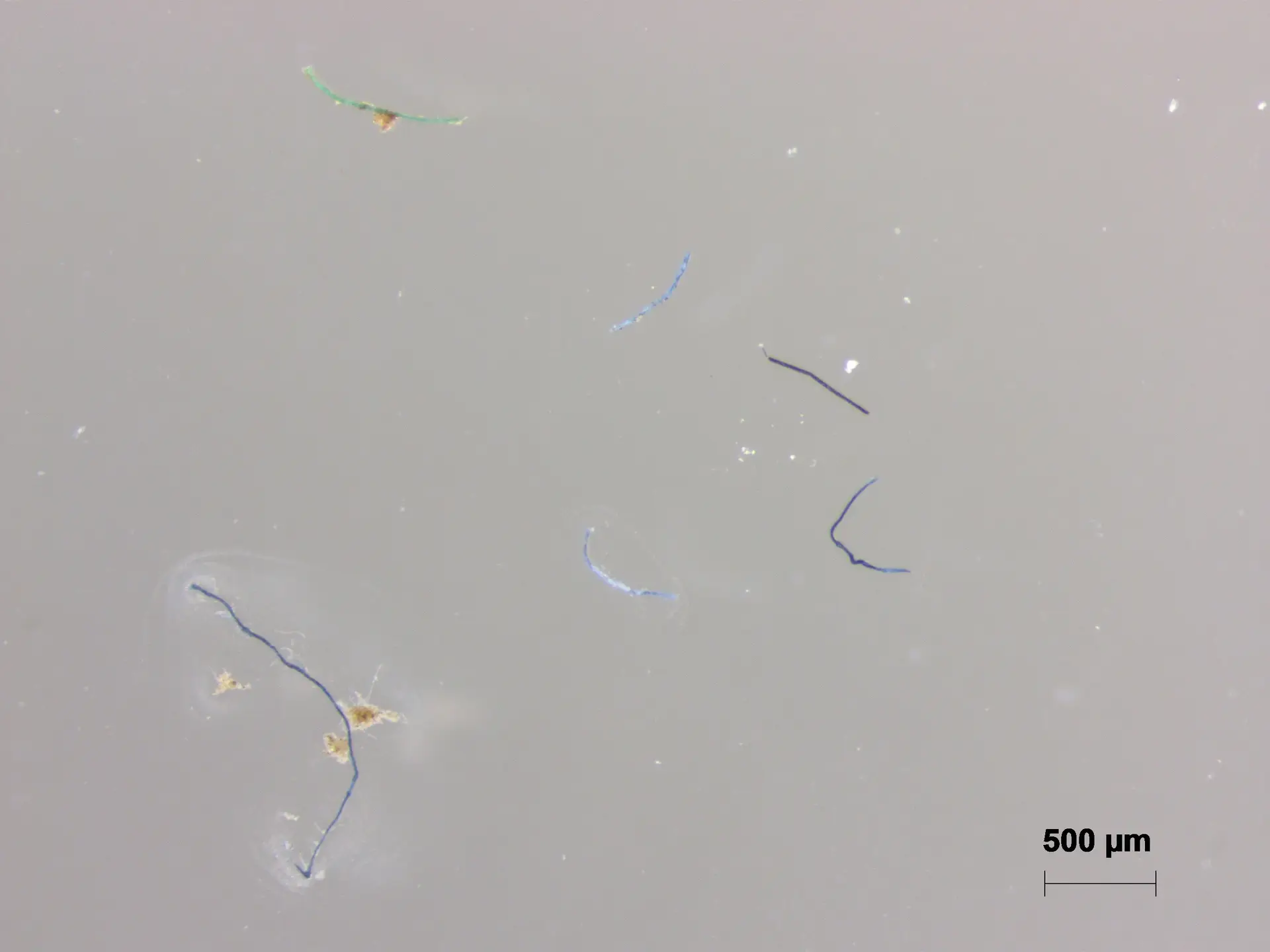
Microplastics, more specifically synthetic fibres released during the washing of clothes, are the most commonly found type of microplastic in the environment. When 5 kg of polyester fabrics are washed, 10 million microfibres, or 1 g, are released into the wastewater (Falco, 2018). These microfibres then travel to sewage treatment plants, where research has shown that between 90 and 95 per cent accumulate in the sludge, whilst the remainder passes through the treatment plants into watercourses and on into the seas (Kovač Viršek et al., 2017). Our research over recent years has shown that microfibres account for approximately 75 per cent of all microplastics in samples from the Slovenian Sea. Microfibres also predominated in samples from inland waters.
Research aimed at finding solutions to curb this type of microplastic is therefore of paramount importance. Techniques developed to date include various filtration methods, which require the filters to be cleaned; this raises the question of how to clean the filters and what to do with the microfibres trapped on them. In our project, however, we will develop a method for the in situ degradation of microfibres using photocatalysis and photoelectrocatalysis at the source of pollution. Using this method, we will thus prevent microfibres from entering wastewater and subsequently the environment.
For further information, please contact the project leader, Dr Manca Kovač Viršek (manca.virsek(at)izvrs.si).
News