
Conclusion of the “Plastic Pirates, Let’s Go Europe”
project
On 8 December, as part of Science Month, the closing event for the ‘Plastic Pirates – Let’s Go Europe” took place as part of Science Month. Over the course of a year, the project introduced more than 1,400 primary and secondary school pupils from 100 Slovenian schools to citizen science and the issue of plastic pollution. The young people assisted scientists in their pioneering work – the large-scale sampling of microplastics in Slovenian rivers, which, according to current results, has revealed that more than three-quarters of the rivers analysed are polluted.
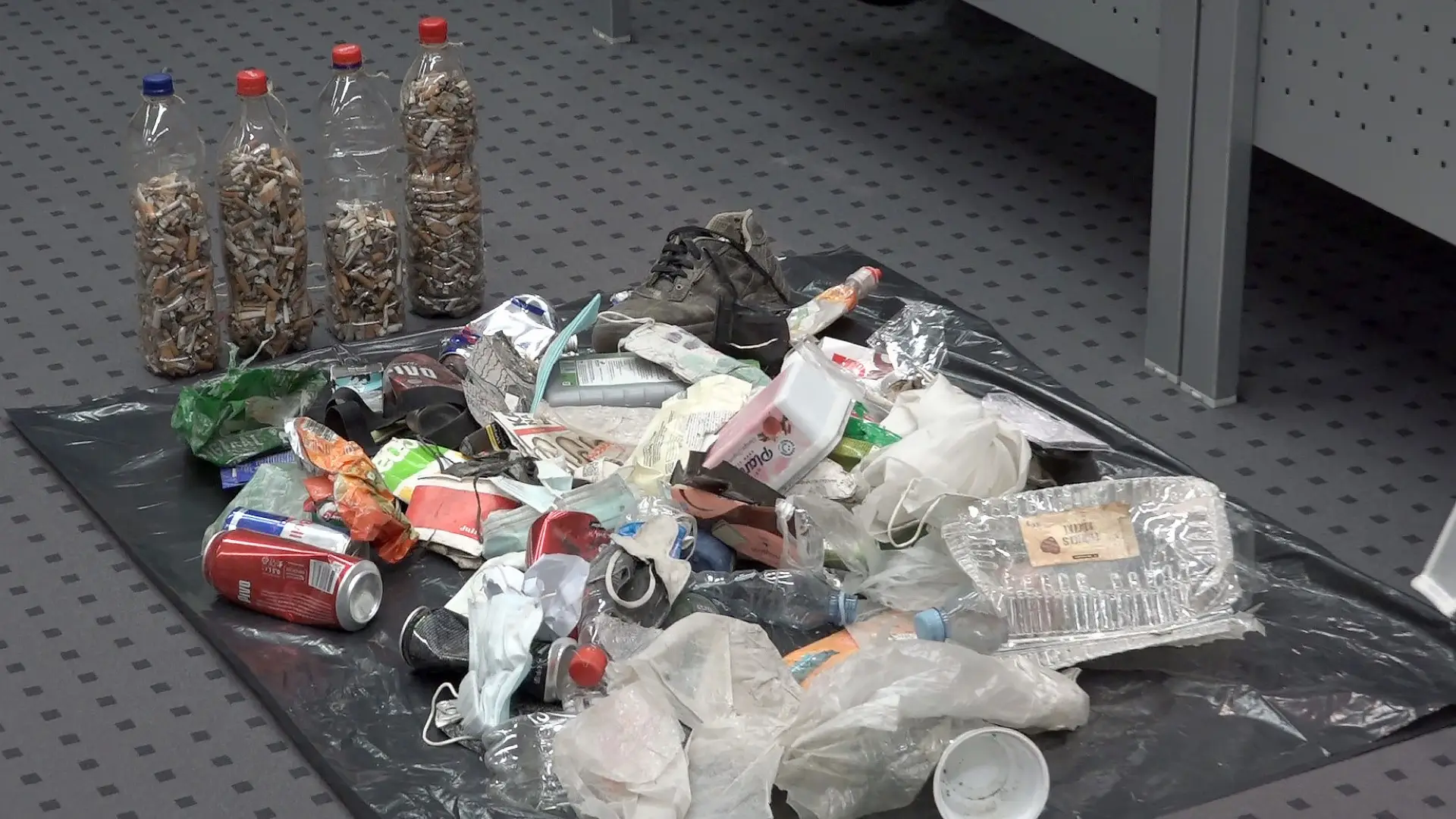
Figure 1: Common waste found in Slovenian rivers (photo: Matija Ovsenek)
The ‘Plastic Pirates’ project, launched on the initiative of the trio of presidencies of the Council of the European Union – the ministries of Slovenia, Germany and Portugal – was presented by its initiators, partners and participants at the closing event of Science Month. The online audience was addressed by the Minister for Education, Science and Sport, Dr Simona Kustec, and the Head of the Science Sector, Peter Volasko, MA.
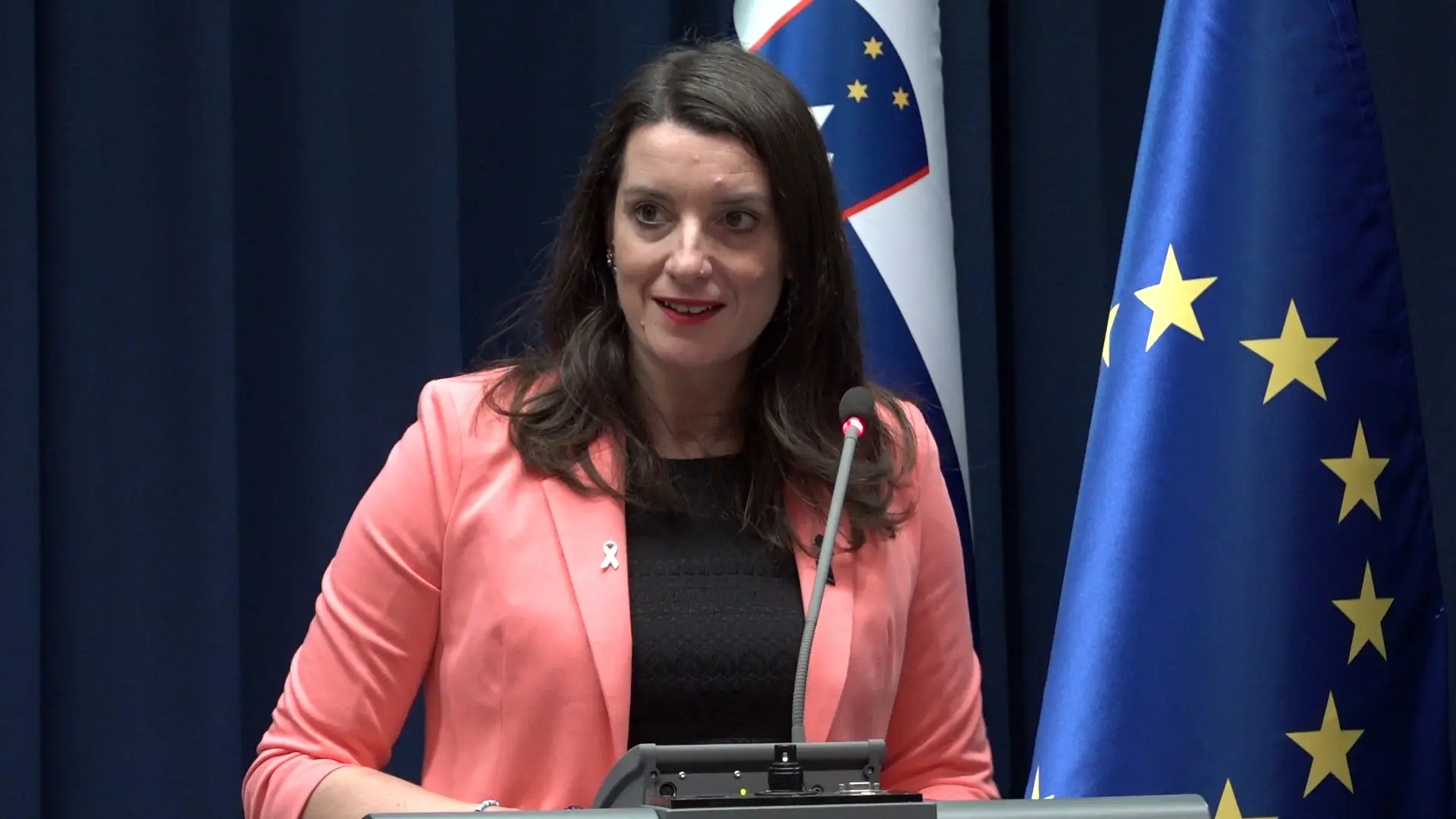
Figure 2: Dr Simona Kustec, Minister for Education, Science and Sport (photo: Matija Ovsenek)
The head of the Slovenian Pirate Mission, Dr Mateja Grego from the Piran Marine Biology Station of the National Institute of Biology, presented the results of the analysis of microplastic content in the 44 samples analysed. 75 per cent of the sampling sites contained plastic fragments smaller than five millimetres. Based on calculations of microplastic content per cubic metre of water, the highest concentration of microplastic particles was found in the flow-through reservoir between Krško and Brežice on the Sava River. In terms of pollution levels, these were followed by the Kamniška Bistrica near Domžale, the Krka near Otočec and Novo Mesto and its tributaries, the Lahinja in Črnomelj, the Sotla near Bizeljsko, the Drava near Maribor and near Starše, the Trojšnica near Pragersko, and the Dravinja in Zreče. Of the 32 rivers, only six were unpolluted: the Pesnica, Rižana, Zacurek, Rupovščica, Tržiška Bistrica and Ledava; however, as Dr Grego points out, only repeated sampling reveals the true picture.
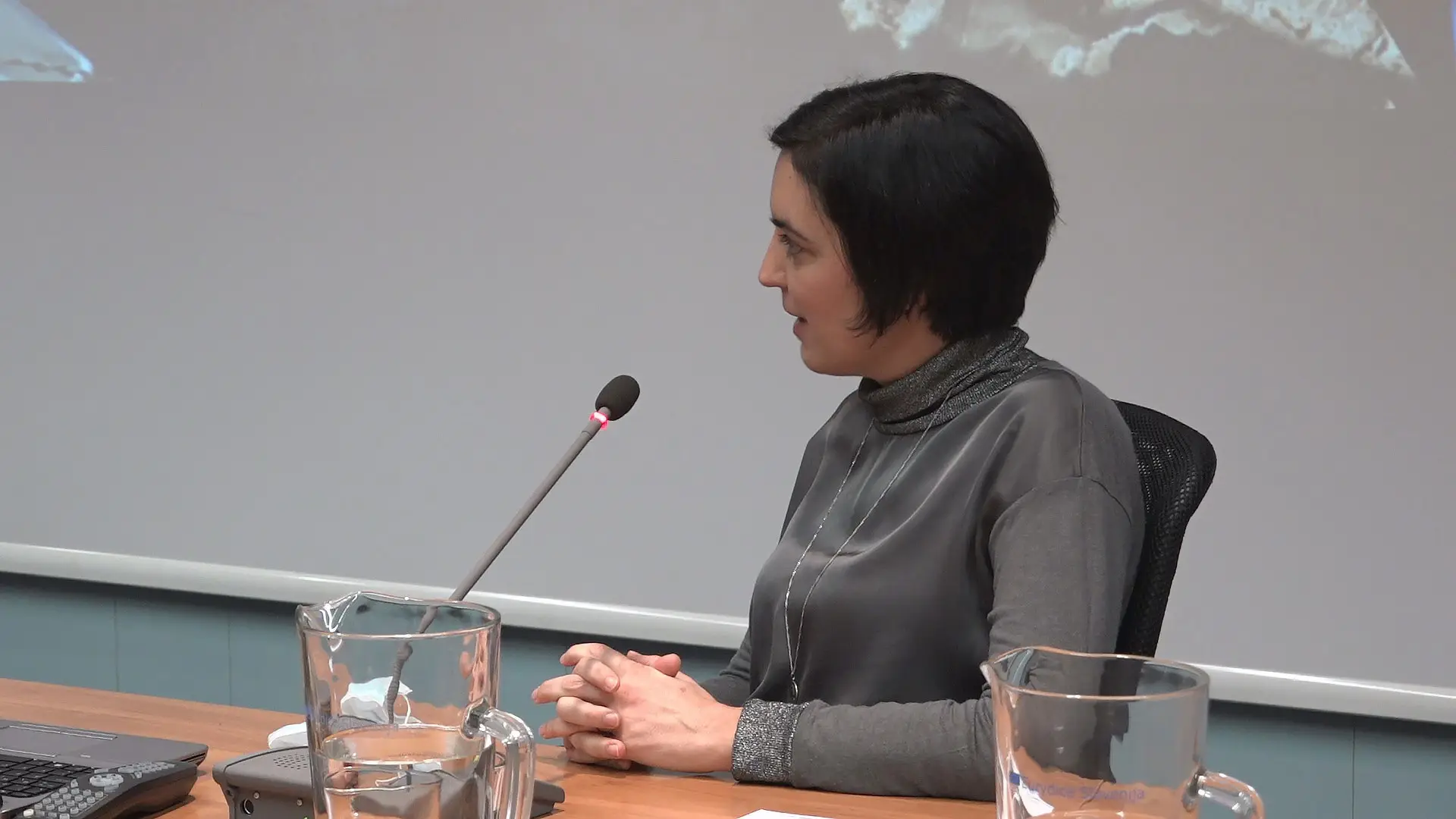
Figure 3: Dr Mateja Grego, Piran Marine Biological Station, National Institute of Biology (photo: Matija Ovsenek)
As the project, which has its roots in Germany, took a holistic approach to the issue, the young researchers also focused on larger items of litter on the riverbanks of nineteen major towns across Slovenia, most of which flow into the Black Sea. The findings on macro-litter on riverbanks were presented by Štefan Trdan, a research associate at the Slovenian Water Institute. The Slovenian Water Institute carried out data verification and liaised with the schools to check the data submitted. Just as on our coastline, cigarette ends are the most common type of litter found along rivers; amongst floating litter, plastic waste – including plastic bottles – predominates, partly due to its physical properties. Štefan Trdan added: “The sea begins at home, and we must be aware of the connection with rivers – eight out of the ten most common types of litter in rivers are also the most common types of litter in the sea.”
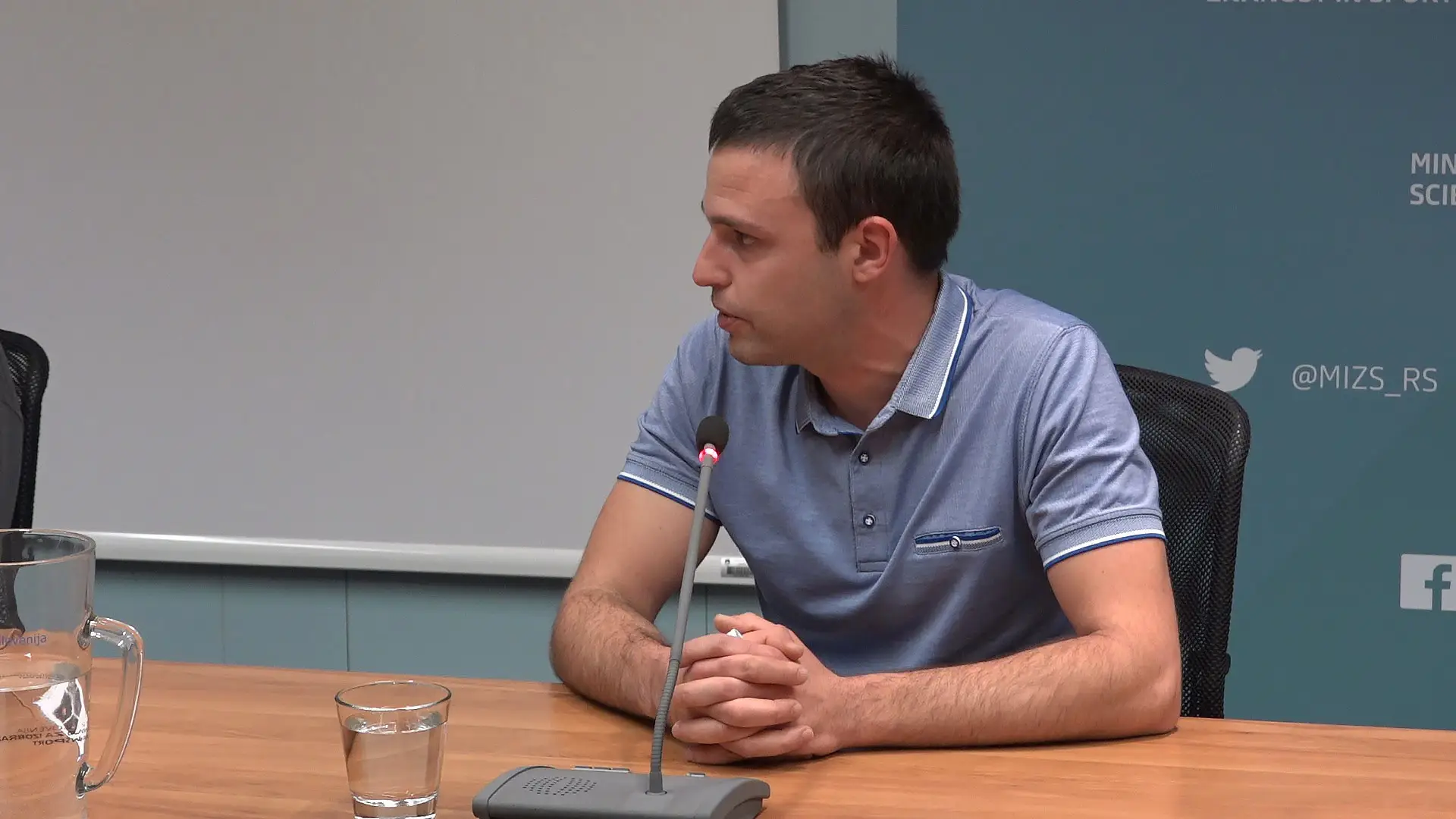
Figure 4: Štefan Trdan, Water Institute of the Republic of Slovenia (photo: Matija Ovsenek)
The organisational side of the project was highlighted by the head of communications, Katja Sreš from the organisation Ecologists Without Borders, who emphasised: “The motivation of Slovenian schools and their extra commitment have exceeded all expectations. We are delighted that confirmation of this excellent cooperation is also coming from abroad, which is why we are striving to continue the project, which covers such a wide range of learning processes.” The project is coming to an end under the auspices of the trio of presidencies of the Council of the European Union, but this is only the first stage, paving the way for the project’s development and expansion to other EU Member States and beyond.
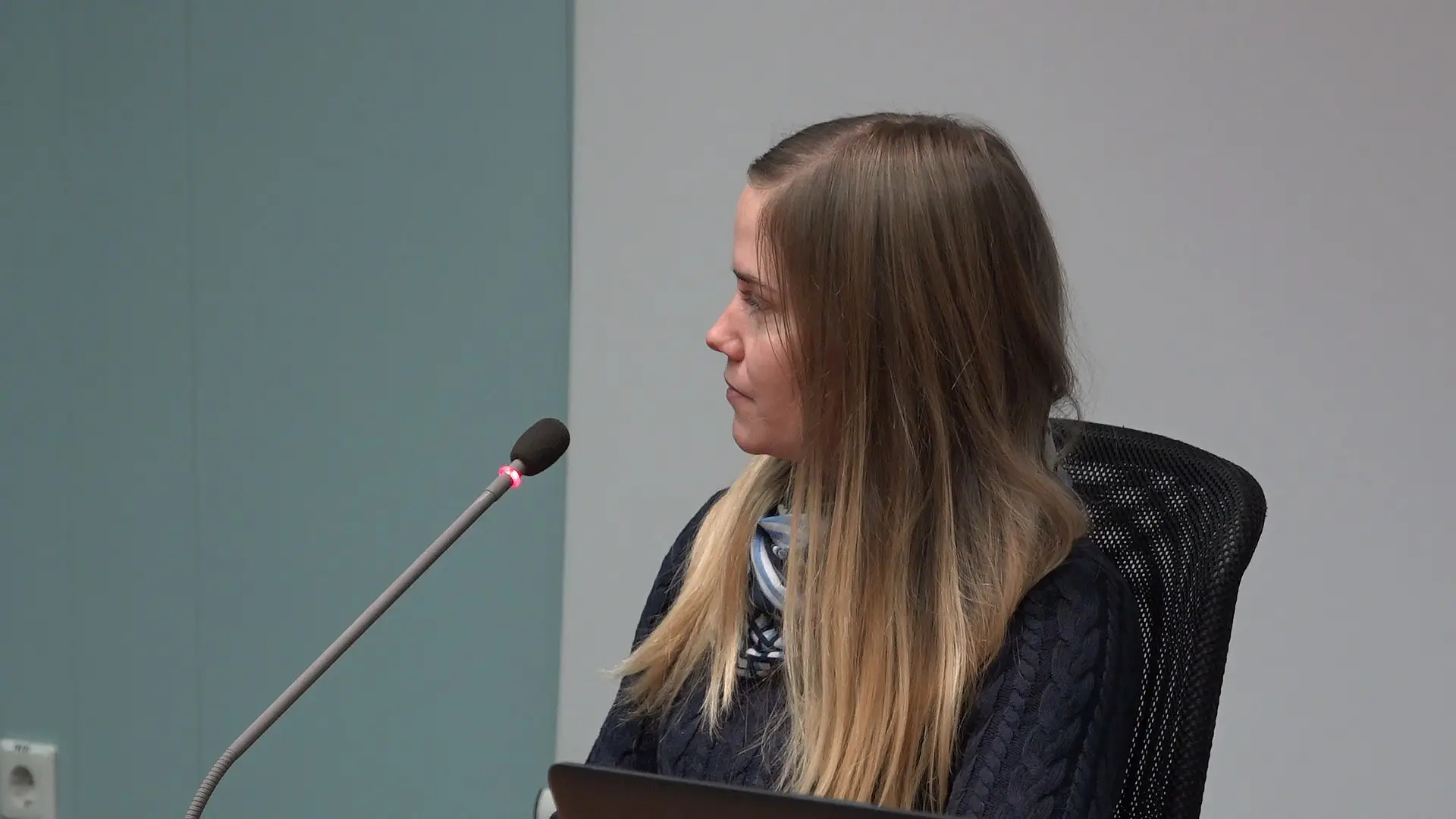
Figure 5: Katja Sreš, Ecologists Without Borders (photo: Matija Ovsenek)
The most common material found in Slovenian rivers is polyethylene in the form of films, most likely resulting from broken-down shopping bags, packaging films and agricultural films. The presence of polystyrene, which most likely originates from packaging and the construction sector, was detected near towns, for example in the second sampling of the Ljubljanica near Vrhnika, in the Gradaščica at Dobrova, and in the Drava near Maribor. Dr Grego highlighted this, saying: “It is clear that this kind of research reveals key challenges, which in turn point the way to solutions that must also include systemic changes. Without the young ‘Plastic Pirates’, who have provided us with such a large amount of valuable data in an extremely short space of time, we would have continued to speculate about the pollution of our rivers for a long time to come.”
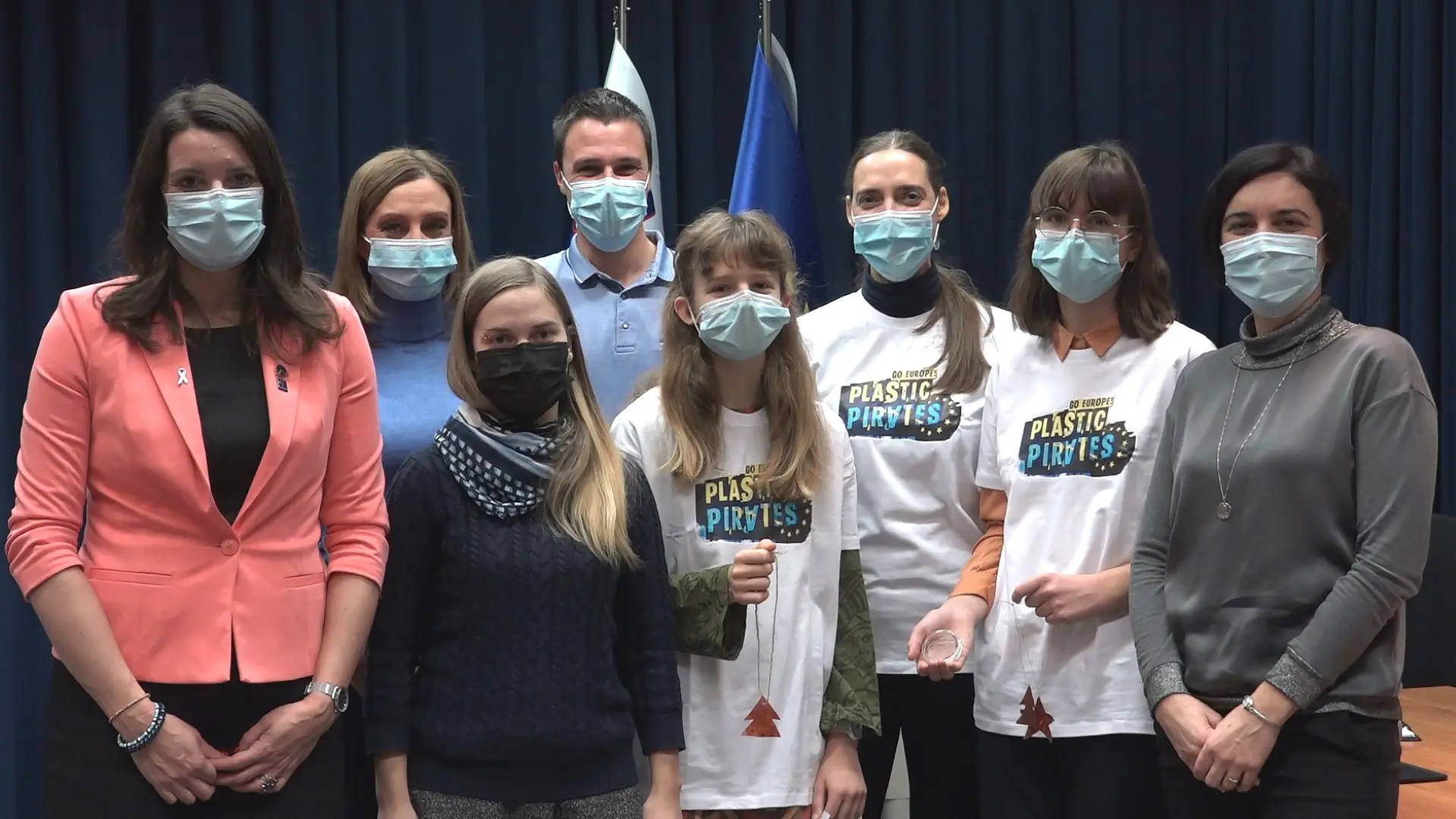
Figure 6: The Plastic Pirates team (photo: Matija Ovsenek)
You can view the main findings of the project via the link below: