
2nd meeting of the AQPLA project partners in Slovakia and participation in workshops on event coordination
Representatives of the Slovenian Water Institute attended the second partner meeting of the AQUATIC PLASTIC project on 26 and 27 November 2024. At the same time, a training session and workshop on event coordination took place, focusing on co-creation methods.
Co-creation methods are based on the inclusion and active participation of various stakeholders (experts, communities, individuals) in the joint development of solutions. The main aim of the method is to combine knowledge from different fields to achieve practical results or objectives. It is carried out using participatory techniques, such as group problem-solving, with the aim of involving everyone in decision-making processes.
The workshop served as a starting point for training participants in the AQUATIC PLASTIC project in practical techniques to improve the involvement of interested parties and stakeholders. The workshops presented various approaches to tackling the pressing issue of plastic pollution (OPERA, SMALL DISCUSSION GROUPS, WORLD CAFÉ, GROUP EXPO).
Networking workshop
We began the first day of the workshops with group activities designed to build connections between participants. These included a number of exercises, such as rating their understanding of the principles of co-creation on a scale and using Venn diagrams to identify common characteristics among participants. Participants shared their expectations regarding the project and used picture cards to symbolise their hopes and expectations.
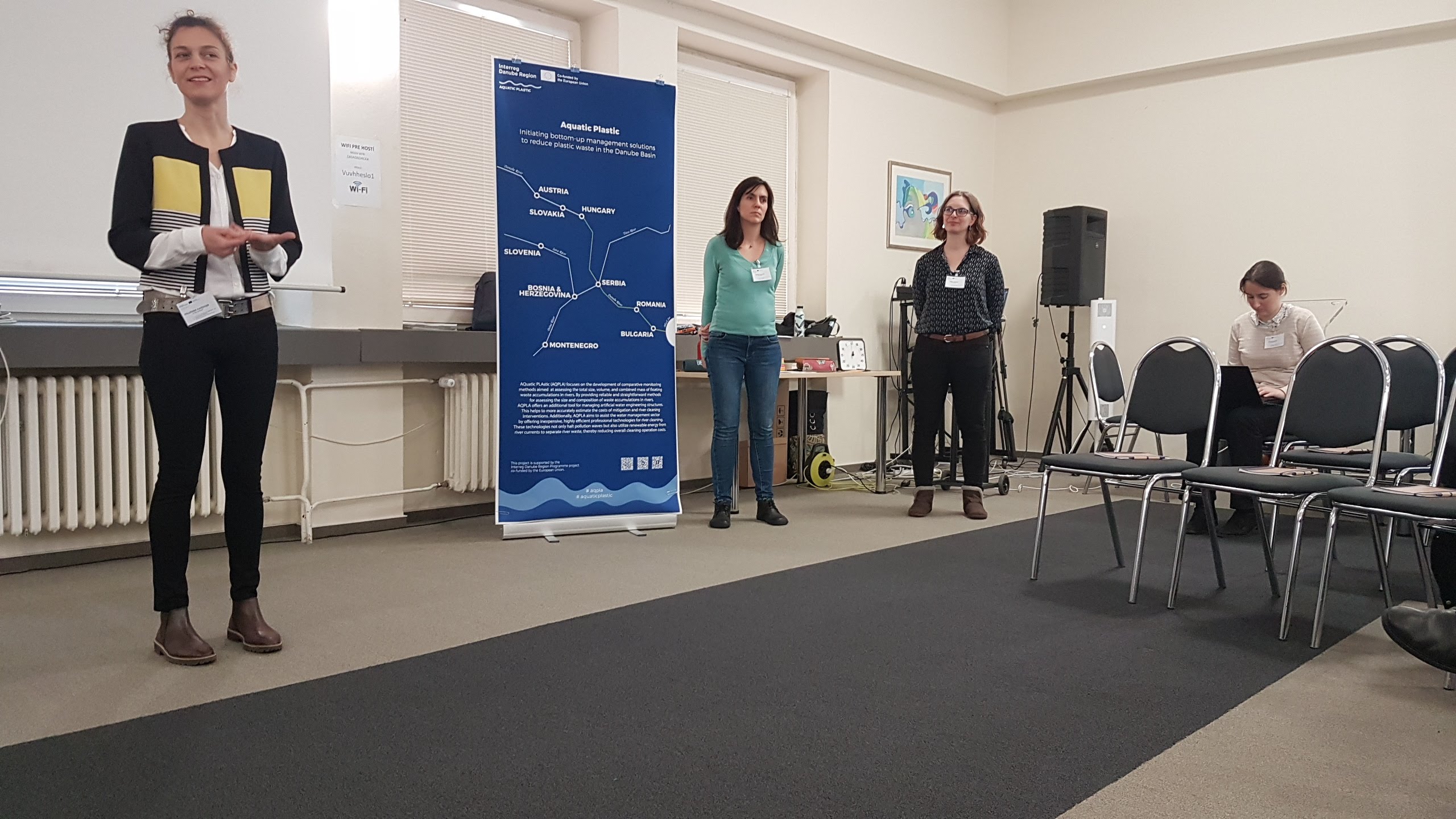 Each participant had the opportunity to share their experiences from previous round-table discussions, with an emphasis on the importance of collaboration between different stakeholders. The introduction of stakeholder mapping methods was discussed, demonstrating how effective networking can improve project outcomes.
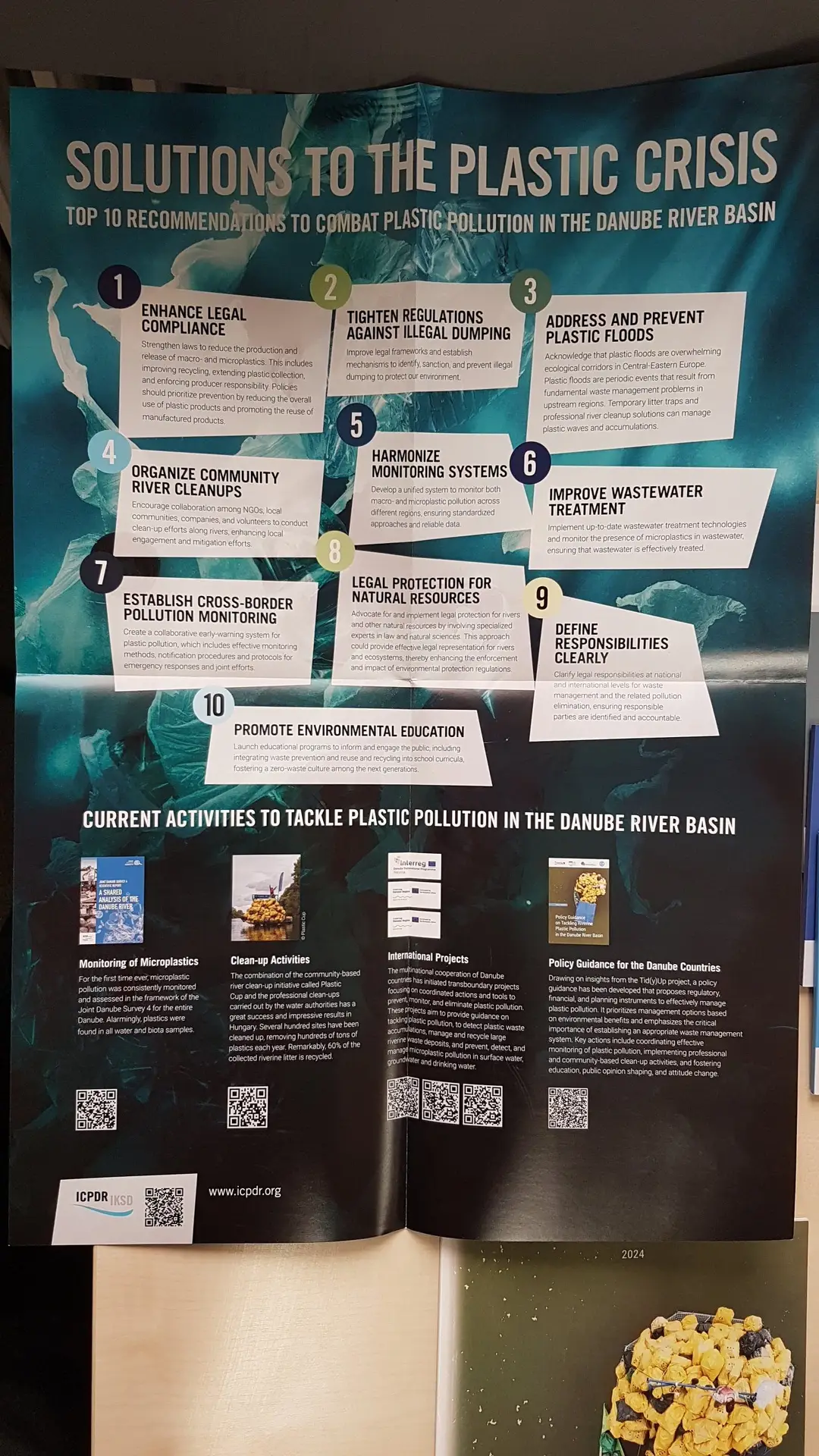
The 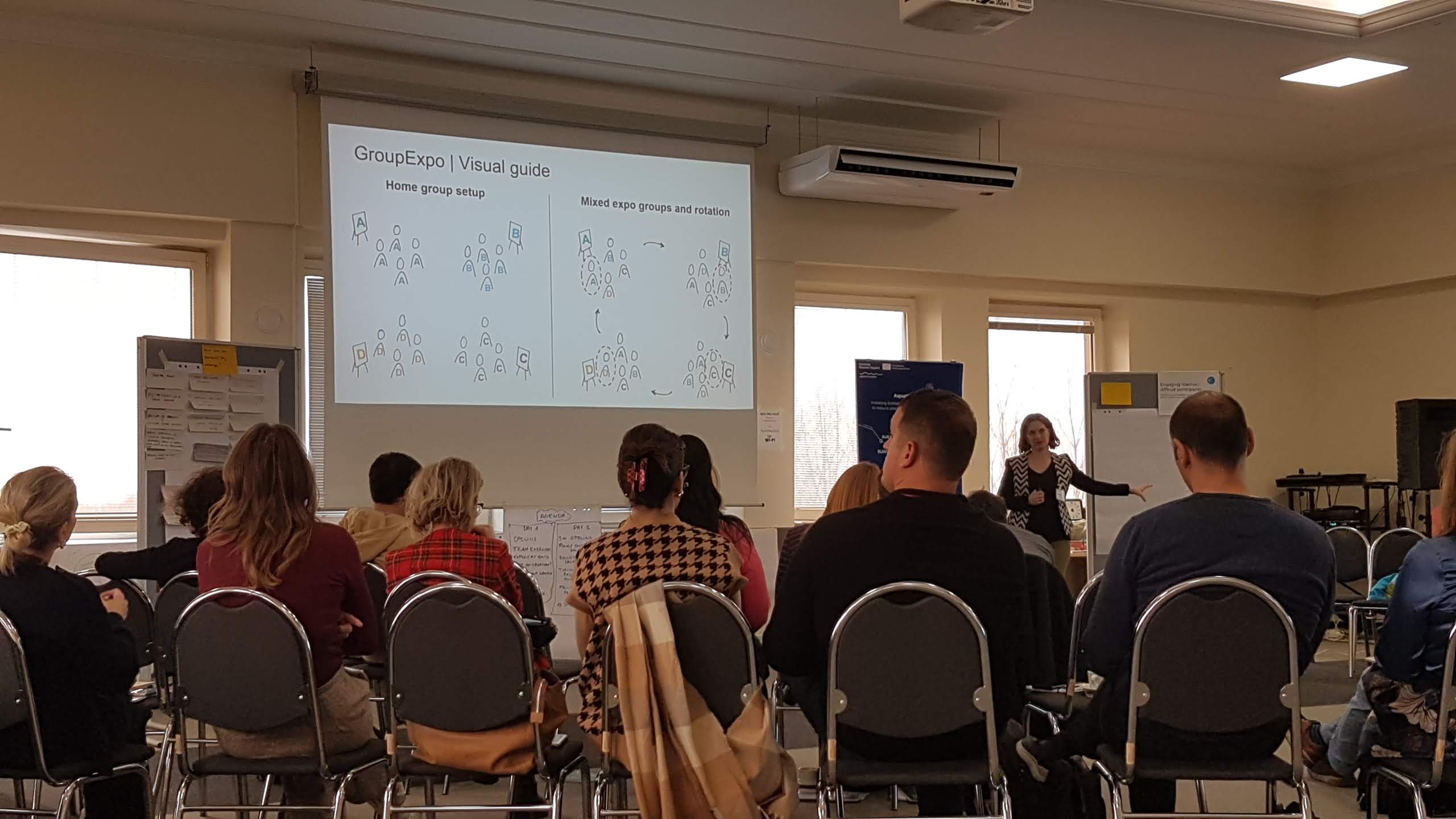 second day of the workshops began with a warm-up exercise that encouraged participants to share insights from the previous day. The morning plenary session focused on a document entitled: ‘Policy Guidance on Tackling Riverine Plastic Pollution in the Danube River Basin’. The document presented practical advice on communication strategies and ways of engaging various stakeholder groups, particularly young people.
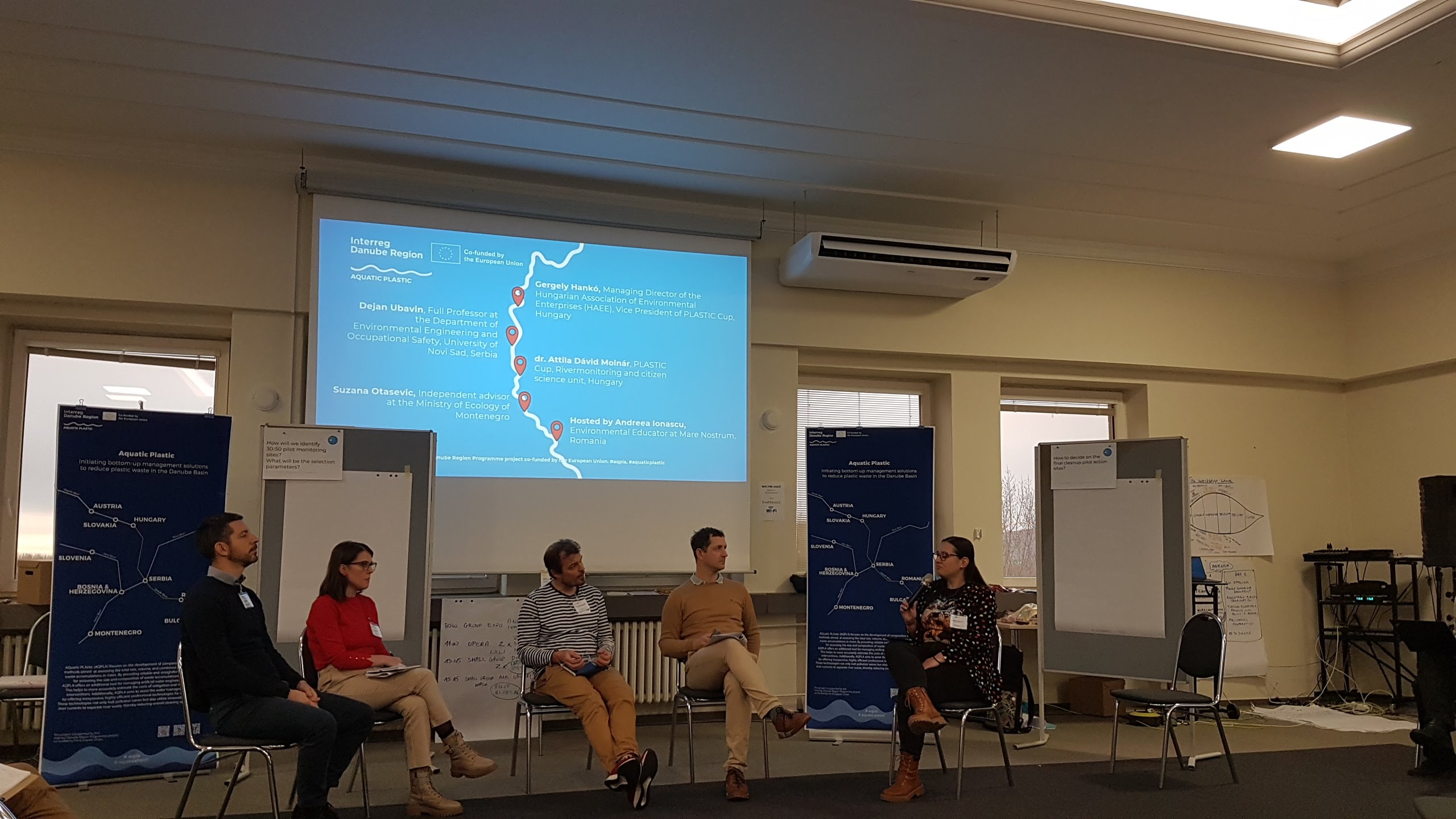 The discussions also explored online channels for the effective dissemination of information. The workshop marked an important step towards fostering collaboration among project partners to promote joint solutions for tackling plastic pollution in rivers.
Project partners’ meeting
At an internal meeting dedicated to collaboration and planning future work, we focused on upcoming tasks, such as methods for sampling micro-waste and strategies for involving hydroelectric power plant operators in river clean-up efforts. We discussed key challenges, such as identifying pollution ‘hotspots’ and improving stakeholder engagement. The partners have committed to carrying out project activities with an emphasis on co-creation methods designed to improve mutual communication and cooperation. In January, an online helpdesk will go live, providing ongoing support for the co-creation of proposals to tackle the problem of plastic pollution in water. We carried out a small-scale clean-up along the Danube as part of the ‘Message in a Plastic Bottle’ initiative. In this activity, messages are placed inside plastic bottles found on riverbanks to gather data on the transport of waste along rivers. You can read more about the activity on the project website.
The project is co-funded by the European Union (ERDF, IPA, ENI).

More about the project:
https://interreg-danube.eu/projects/aquatic-plastic